The order book: what is visible in it and what is not
intermediate
Automated material · TradeAlmanac editorial deskPrepared by a language model from our stored data and checked by an editor.

The order book is a table of buy and sell orders sorted by price. Of all the screens on an exchange it is the most informative and the most overrated.
How it is built
Sell orders on top, buy orders below, a gap between them.
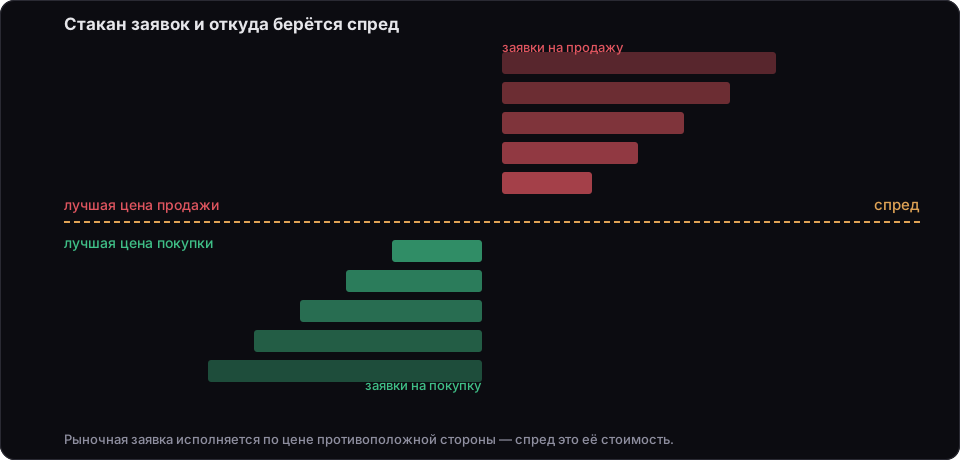
The closer a price is to the current one, the higher its row. The volume in each row is the quantity someone is ready to buy or sell at that price.
What follows from it
The width of the spread is a direct estimate of what entering and exiting costs. The density of the book estimates how large an order can be filled without moving the price. An imbalance in volumes is sometimes a sign of pressure from one side.
What is not in it
The future. An order is an intention that can be pulled at any moment, and they are pulled constantly. A large order that stood for a minute and vanished was neither support nor resistance — it was an order.
Practical use
Before sending a market order, look at how many levels it will walk through. In a liquid security this does not matter; in an illiquid one it determines the fill price. See Market and limit orders: what speed costs you and Liquidity: noticed only once it runs out.
Where to look
In the TradeAlmanac terminal the book is available for every instrument alongside the chart and the tape of trades — How to use the TradeAlmanac terminal.
Prepared by a language model from our stored data and checked by an editor.
How we use language modelsSimilar articles
- A first portfolio: what it is assembled fromNot a list of securities but an order of decisions: proportions first, then instruments, and only then specific tickers.
- How to tell investing from fraudFive signs, any one of which is enough to stop. None requires financial knowledge.
- Saving and investing: different jobs, different instrumentsPreserving and growing are not degrees of the same thing but opposite requirements of an instrument.
- Why past returns promise nothingA line from the disclaimer that almost everyone reads and almost nobody applies.